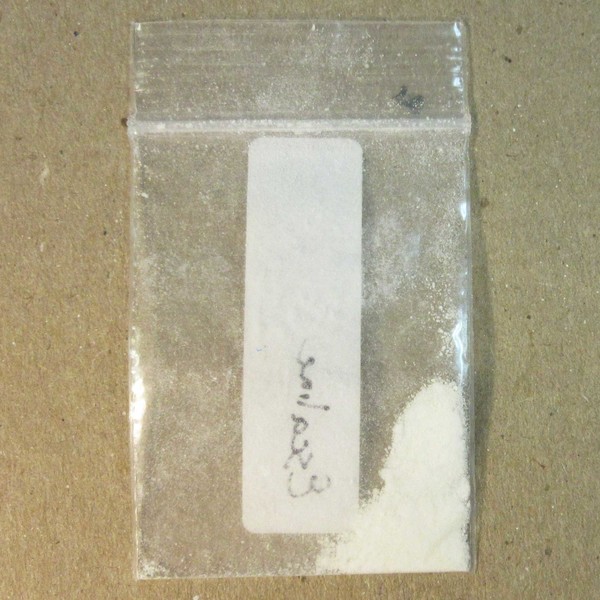
Escaline (E), also known as 3,5-dimethoxy-4-ethoxyphenethylamine, is a psychedelic drug of the phenethylamine and scaline families related to mescaline. It is the 4-ethoxy analogue of mescaline (3,4,5-trimethoxyphenethylamine) and the phenethylamine (non-α-methyl) analogue of 3C-E (3,5-dimethoxy-4-ethoxyamphetamine).
Effects
The effects of escaline and related mescaline analogues in humans were first described by Alexander Shulgin. In his book PiHKAL (Phenethylamines i Have Known And Loved), Shulgin lists the dosage range as 40 to 60 mg of the hydrochloride salt taken orally. The duration of action was stated to be 8 to 12 hours. Escaline is approximately 5- to 8-fold more potent than mescaline in humans.
Pharmacology
The receptor interactions of escaline analogues have been described.
Escaline produces the head-twitch response, a behavioral proxy of psychedelic-like effects, in rodents. It partially substitutes for LSD in rodent drug discrimination tests.
History
Escaline was first synthesized and reported in the scientific literature by Benington and colleagues in 1954. It was later re-examined in the laboratory of David E. Nichols, who prepared a series of mescaline analogues that included escaline, proscaline, and isoproscaline and published their work in 1977.
Legal status
Sweden
Escaline is illegal in Sweden as of 26 January 2016.
United States
Escaline is a Schedule I controlled substance (DEA #7930) in the United States with the reason cited being that it is a positional isomer of TMA (3,4,5-trimethoxyamphetamine).
See also
- Substituted mescaline analogue
References
External links
- Escaline - Isomer Design
- Escaline - PsychonautWiki
- The Small & Handy Escaline Thread - Bluelight
- Escaline - PiHKAL - Erowid
- Escaline - PiHKAL - Isomer Design